The iPhone 16 camera sensor is set for a major overhaul, according to leaks and analyst predictions — and if Apple delivers, the iPhone 16 Pro could produce DSLR-quality photos that leave rival smartphones far behind.
iPhone 16 Camera Sensor: What the Leaks Say
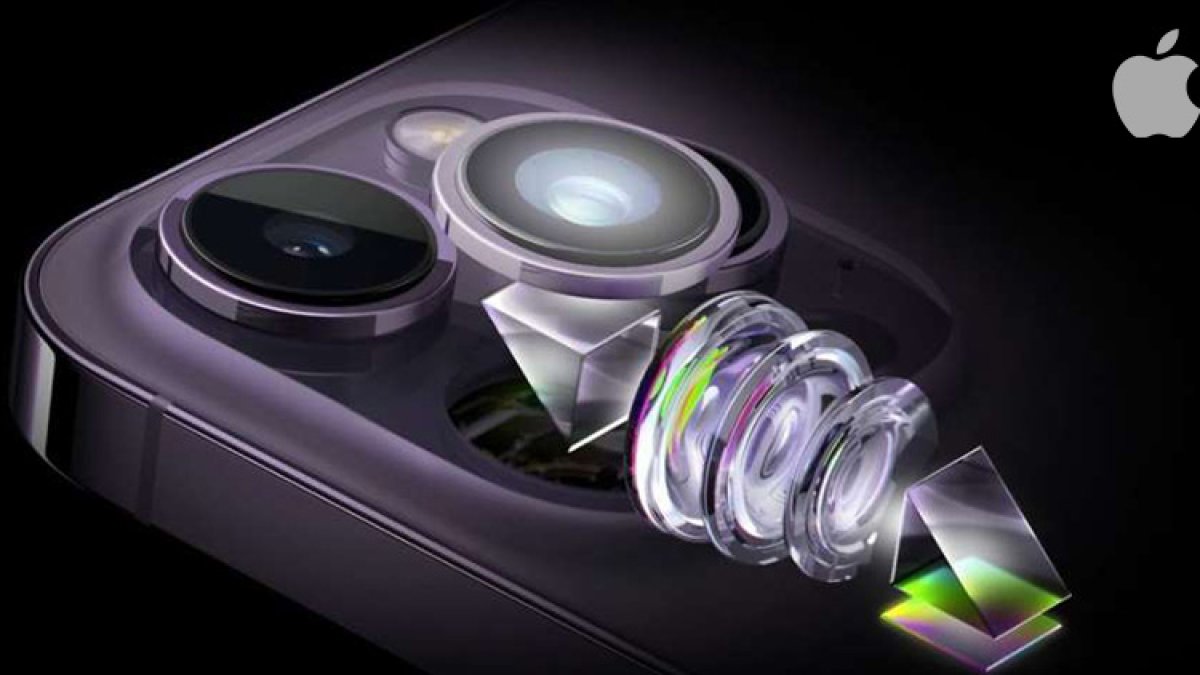
Apple industry analyst Ming-Chi Kuo has indicated that Apple plans to introduce a stacked CIS (CMOS Image Sensor) in the iPhone 16 Pro camera system. Unlike conventional sensors, a stacked CMOS design places the pixel array and processing circuitry on separate but bonded layers. This architecture allows the sensor to read light data significantly faster and with far greater precision.
The practical benefits are substantial. A stacked CMOS sensor captures more light per pixel, dramatically widens the dynamic range, and enables cleaner shots in low-light and night photography — performance that has traditionally been the exclusive domain of full-frame DSLRs and high-end mirrorless cameras. If Apple implements this change, the iPhone 16 Pro's camera could leapfrog competing flagship smartphones by a considerable margin.
Sony Ramps Up Production Ahead of iPhone 15 and iPhone 16 Demand
Sony — the primary supplier of high-end camera sensors for Apple — has already increased its manufacturing capacity to meet anticipated demand. This production ramp is closely tied to the iPhone 15 roadmap first, and then the iPhone 16.
Reports suggest Apple will offer a 48-megapixel stacked sensor in the iPhone 15 and iPhone 15 Plus, marking a significant upgrade over the previous generation. According to Kuo, after establishing the larger sensor baseline in the iPhone 15 lineup, Apple intends to take the next logical step with the iPhone 16 by adopting the full stacked CIS architecture in the Pro models.
This staged approach — bigger sensor in iPhone 15, stacked CMOS in iPhone 16 — reflects Apple's pattern of incremental but meaningful camera leaps across product generations.
What Is a Stacked CMOS Sensor?
A stacked CMOS image sensor layers the photodiode array on top of a separate circuit board, allowing signal processing to happen simultaneously with light capture. This results in:
- Faster readout speeds that reduce rolling shutter distortion
- Higher dynamic range by preserving shadow and highlight detail
- Better low-light performance through improved light capture efficiency
- Reduced noise at higher ISO settings
Sony already uses a version of this technology in several of its own smartphone cameras, and Qualcomm's Snapdragon-based Android flagships have benefited from similar sensor designs. Apple adopting stacked CIS in the iPhone 16 Pro would bring this capability to its own tightly integrated hardware-software ecosystem.
iPhone 15 Launch Date: September 13 Rumored
Before the iPhone 16 arrives, Apple is expected to launch the iPhone 15 imminently. According to the latest leak, Apple may unveil the iPhone 15 on September 13. Pre-booking is then expected to open on September 15, following the same cadence as previous years — the iPhone 14's pre-booking window opened on September 9 of the prior year.
The iPhone 15 launch will be the first real-world proof of Apple's upgraded sensor strategy before the even more ambitious iPhone 16 camera changes arrive.
Why This Camera Shift Could Drive iPhone 16 Sales
Camera quality remains one of the top purchase drivers for flagship smartphones globally. If the iPhone 16 Pro delivers measurable, visible improvements in low-light photography, dynamic range, and video quality — especially through a stacked CMOS sensor that rivals professional DSLR output — it could generate a significant upgrade cycle among existing iPhone owners who have delayed switching from older models.
Kuo's analysis suggests Apple is deliberately sequencing these sensor upgrades to build momentum: the 48MP sensor in iPhone 15 sets a new baseline, and the stacked CIS in iPhone 16 delivers the headline camera leap. For photography-focused buyers, the iPhone 16 Pro could become the most compelling upgrade in several years.
For more coverage of Apple's upcoming lineup, visit our Apple brand page.